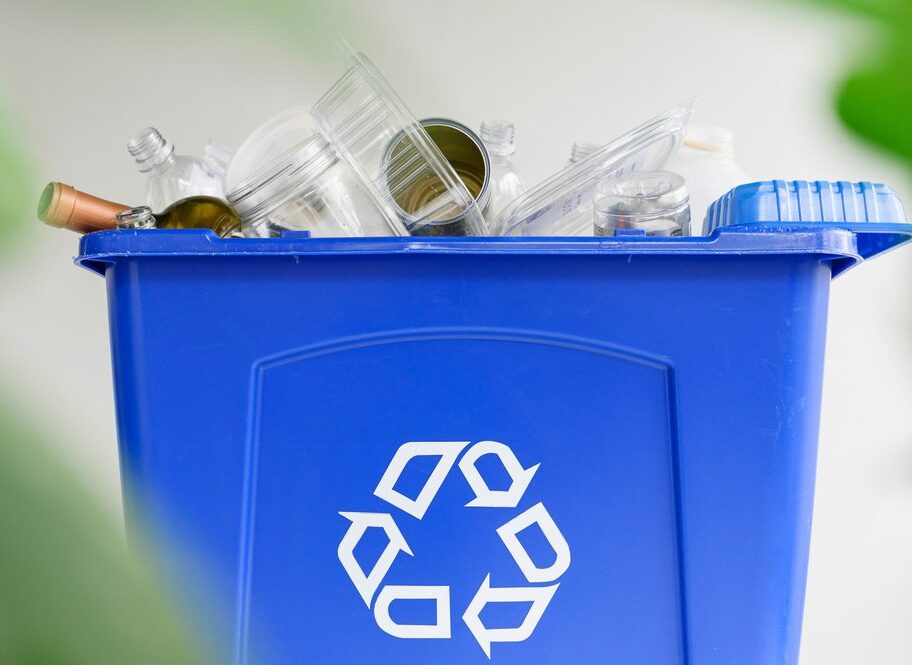
Extended Producer Responsibility - Leadership towards a circular economy.

RECYCLING:

Burden or Benefit?

Recycling is an essential method to reduce waste entering landfills and our environment, as we all know. Unfortunately, the success of recycling is a contentious issue. Many areas of our consumer economy can recover and recycle materials that we generate. However, is this a cost, or is there real economic value?

What is Extended Producer Responsibility?

Extended Producer Responsibility (EPR) is a policy tool designed to promote sustainable production and consumption patterns among producers and consumers. It originates in Europe and has been gaining popularity as UN member countries voluntarily work to adhere to the UN Sustainable Development Goals and their 2030 targets.

The Blue Box & EPR Fees

In the area of recycling and municipal Blue Box collection systems, EPR regulations can be viewed as a cost to producers. There are growing fees associated with packaging and material waste generated by producers that go into the Blue Box municipal collection streams.
 
The goal of the Blue Box program is to collect materials suitable for recycling and waste management applications and work with Material Recovery Facilities (MRFs) to sort and create value for the waste streams. The EPR fees collected are used to help fund the infrastructure investment and hold the producers responsible for the entire life cycle of their products, including their packaging.

Recycling, success or failure?

In general, consumer sentiment around recycling remains high but a growing number of concerned consumers are becoming increasingly aware of the challenges domestically and internationally to achieving meaningful recycling.
 
A significant portion of the population participate in, and completely agree with, recycling as a fundamental process to reduce waste to landfill. Unfortunately, at present, the scale required to achieve a circular economy in packaging materials, especially in plastics packaging, is seriously lagging.
 
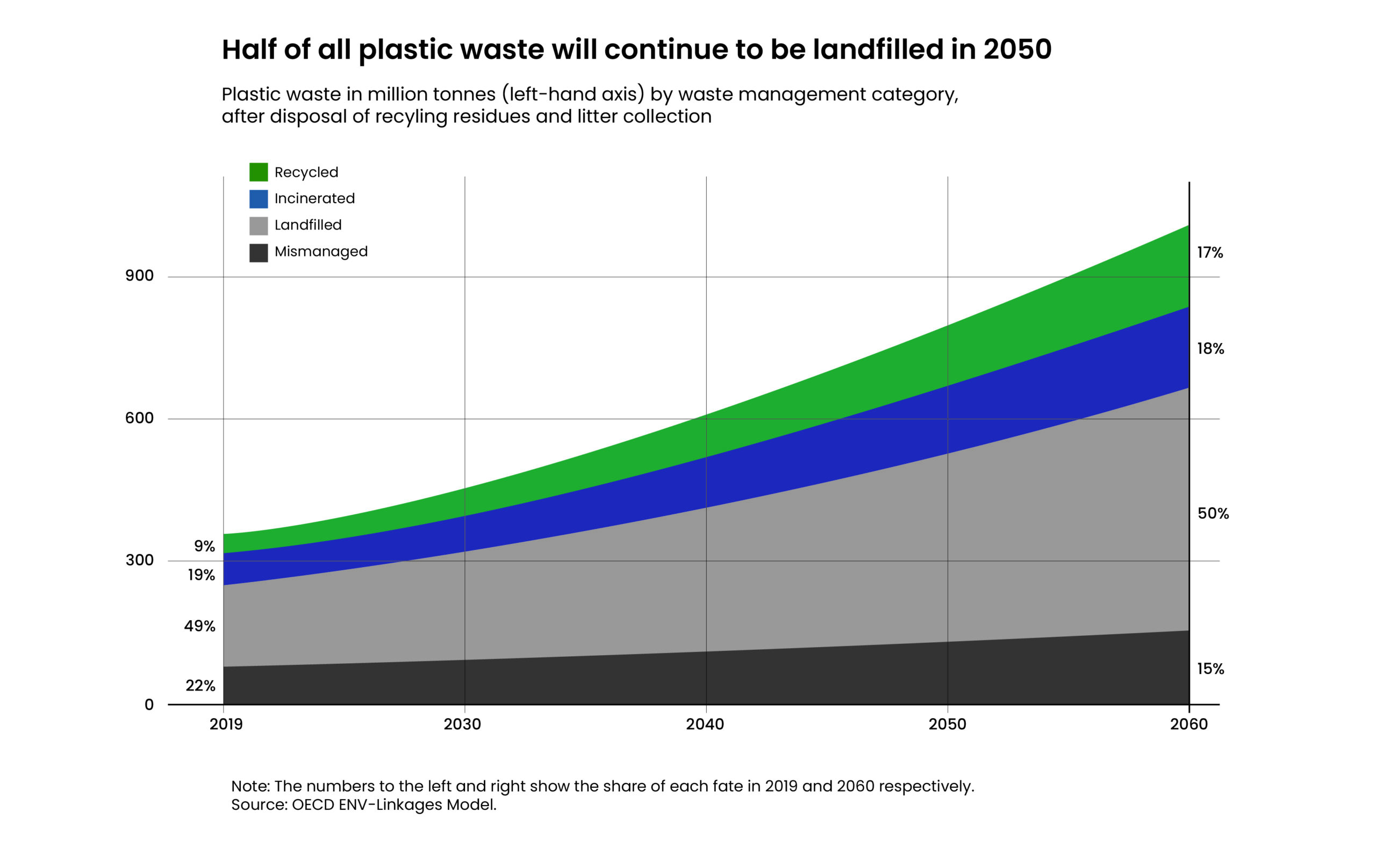
The main issue is that annually less than 10% of the 400 million tonnes of plastics waste is recycled, 19% is incinerated, and over 70% is landfilled or mismanaged. This is due largely to the fact there has not been enough attributable economic value in recovering consumer waste when the cost to produce new virgin materials is lower and the supply/demand cycle for recycled content has been unpredictable.

A Shift Towards Circular Value

Global and domestic investment in MRFs is growing significantly year over year. Major consumer packaged goods and fossil fuel companies are making legitimate advancements in the plastic’s circular economy.
 
Countries across the world are answering the call to create more value in consumer waste by:

Eliminating hard-to-recycle materials like mixed plastics.

Designing for recovery and recycling.

Additionally, there are incentives being proposed to lower EPR fees on materials that are more easily sorted and recycled. This means that producers can now become leaders in packaging that promotes circular economics, end-of-life recovery, and distinguish themselves in their respective markets.
 
History celebrates the disruptive innovators and highlights the lessons learned by the slower adopters. Which side does your organization land?
 
Stay tuned for more commentary on Extended Producer Responsibility and how we can all be a part of the solution.

About the Author

Keith Dunne:

Keith brings over 27 years of expertise in the packaging industry, with a proven track record in both flexible and rigid packaging solutions. He is certified in Business Sustainability Management, combining deep technical knowledge with a strong commitment to driving sustainable practices in the sector.


Share post